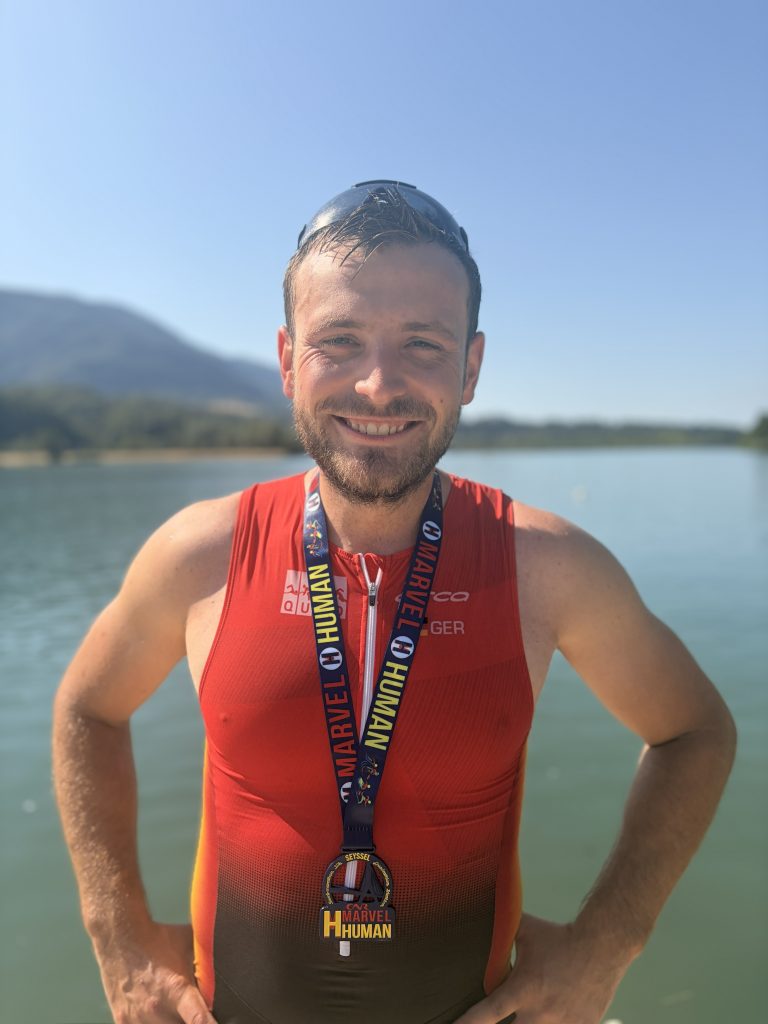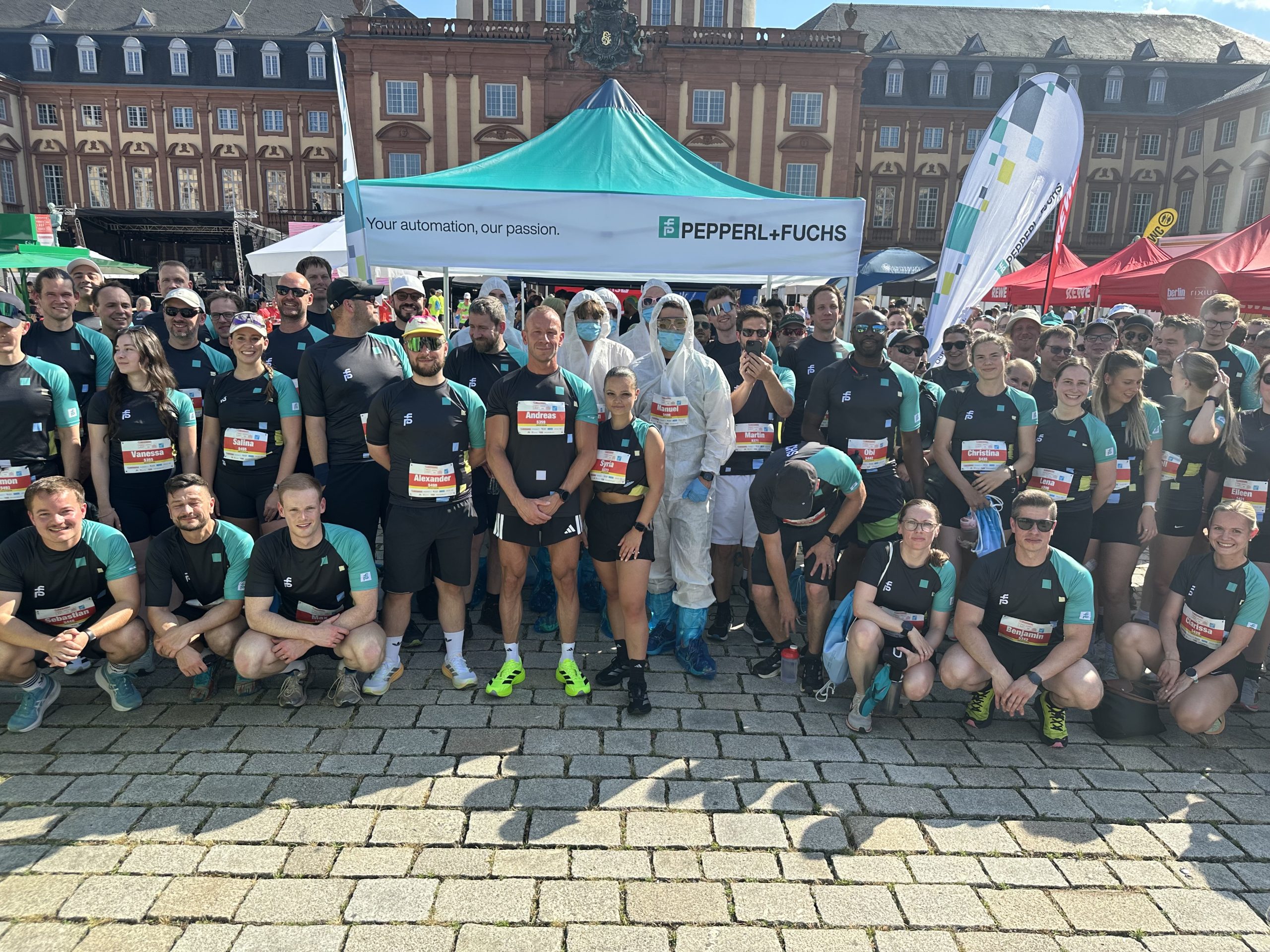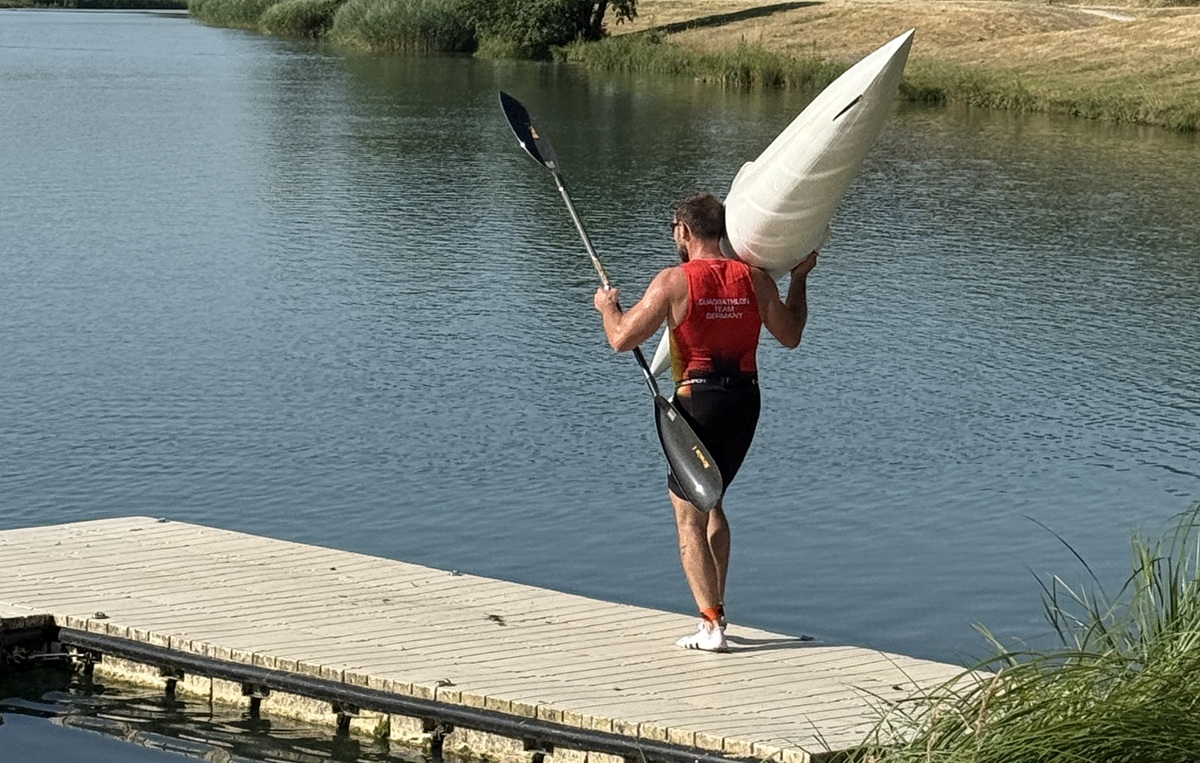
Marco works as a Components Manager at Pepperl+Fuchs in Mannheim and passionately dedicates his free time to endurance sports. As a quadrathlete, he competes in the four disciplines of swimming, cycling, kayaking, and running. In this interview, he explains how he is balancing work and sport, and what parallels he sees between sport and everyday work.
Hello, Marco. Before we talk about your sporting activities, could you first tell us what exactly you do at Pepperl+Fuchs?
Sure. I’m a Components Manager for electronic components. This means I’m the main technical contact between the manufacturers of our components and our development department. I also advise our engineers, act as a liaison between materials planning and development, and ensure that the right components are used in our products. In this way, I help create the basis that enables us to continue manufacturing reliable products in the future.
The road becoming a quadrathlete
How did you get into quadrathlon?
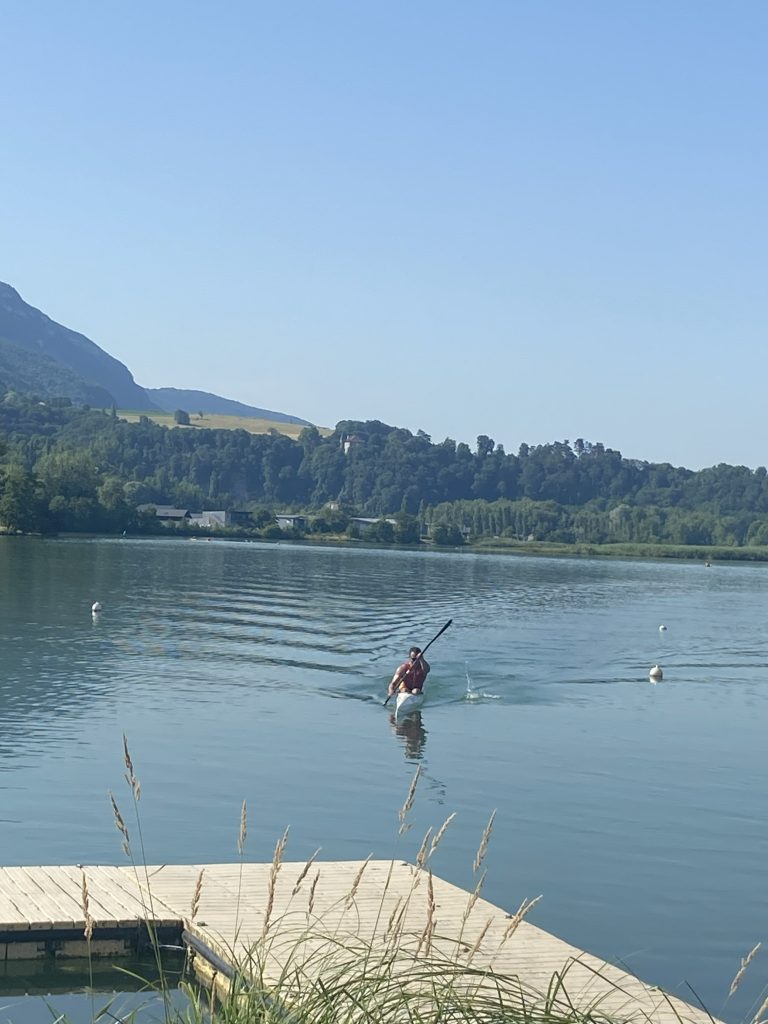
I first got into a kayak when I was three years old because both of my parents were canoeists. Since then, the sport hast never let go of me. My brother has also practiced the sport all his life. Canoeing is practically a family tradition for us. Three years ago, however, my personal plan no longer matched the regatta calendar. So I started looking for a new challenge to keep myself motivated in training. Club colleagues told be about the quadrathlon, and I immediately thought this sport would suit me well. So, when I started my professional career at Pepperl+Fuchs, my sporting career also took a new direction.
What motivates you?
Competition has always been my greatest motivation in training. I love measuring myself against others and celebrating success – both individually and as part of a team. At the same time, it’s important for me to deal with setbacks and accept that not everything always goes according to plan. Particularly motivating for me is the support of my family, who cheer on at every competition. Of course, staying healthy is also an important factor. Or, as my grandfather always said: “If you rest, you rust.”
Keeping the sports in balance
Do you have a specific training plan?
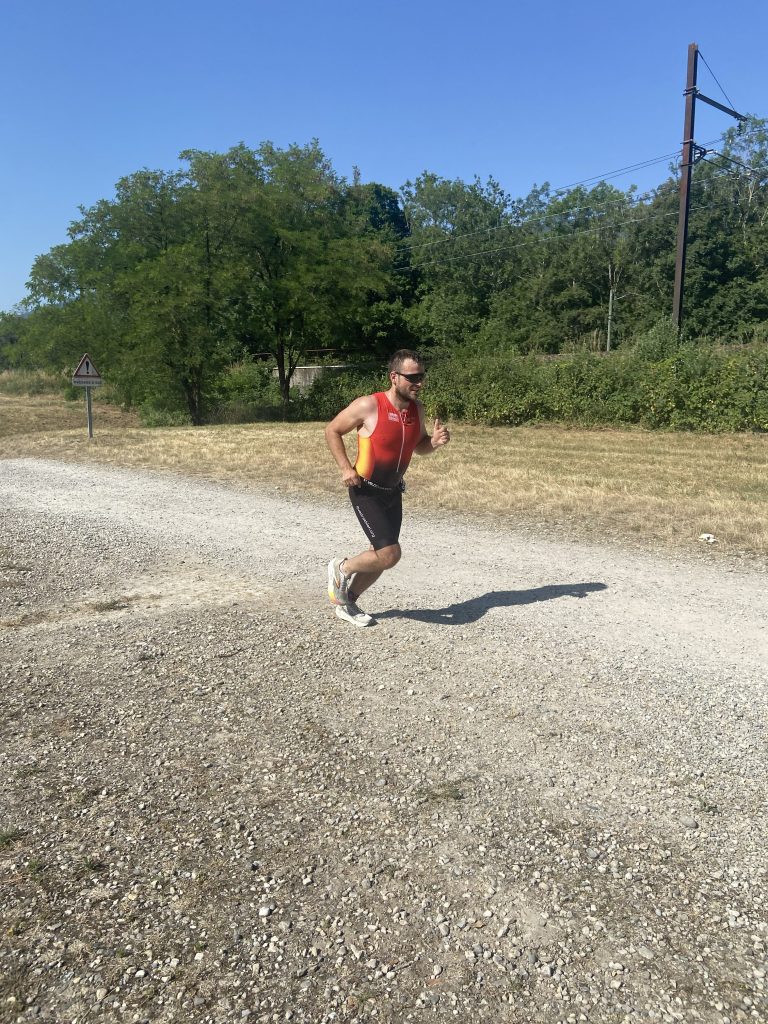
A typical training week consists of around ten hours. I train every day, and on two to three days each week I even train twice a day. I try to keep all four disciplines balanced, while also focusing on the ones where I wasn’t quite able to keep up during the previous season. As a result, I train each discipline at least twice a week.
What was your personal goal for this season?
I have already taken part in two events. In the first competition, I won the silver medal with the relay team at the European Championships, and in the second competition, I won my age group at a World Cup event. These achievements have already given me plenty to celebrate. My admittedly ambitious goal was to win a medal at the World Championships in Bydgoszcz in July. Unfortunately, I got injured and was unable to compete. I hope to be back in action at the beginning of August for the World Cup and the German Championship in Schleusingen.
Balancing work and sport
Balancing work and sport: How do you do that?
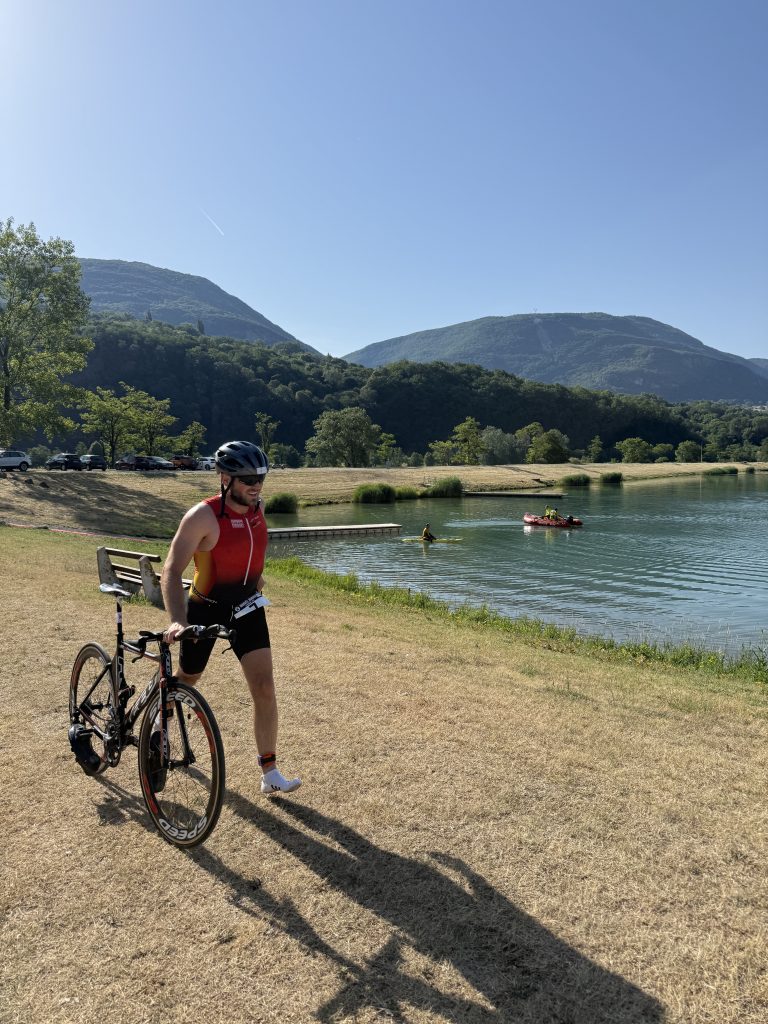
Thanks to the flexible working hours at Pepperl+Fuchs, I have many opportunities to balance training and work optimally. For example, if my schedule allows, I take a longer lunch break and go for a run or a swim. I also try to combine trips and avoid unnecessary travel. That’s why I drive to the office in the morning with my training bag already packed, so I can head straight to training after work.
Do you see any parallels between your sport and your everyday work?
In my opinion, there are many parallels. Through sport, you learn how to deal with both success and setbacks, especially when it comes to performing at your best. For example, after successfully completing a project, you could simply rest on your laurels, but an athlete is always looking toward the next challenge. Setbacks are also a part of it. When something doesn’t go as planned or mistakes happen, sport teaches you to analyse them and draw the right conclusions. This mindset also helps me in my professional life. I see a particularly strong parallel between relay quadrathlon and teamwork. Everyone contributes their individual strengths, which should be recognized, encourages, and used effectively. Success is even greater when it is shares with the team.
How does sport influence your work?
Sport helps me to clear my mind. Quite often, during a training session, I’ve found either the solution or at least a new approach to a problem that had been on my mind at work.
If you could pass on one lesson from endurance sports to your colleagues, what would it be?
Perseverance pays off.