The circular economy is an important part of Pepperl+Fuchs’ sustainability strategy. To further advance this commitment, Pepperl+Fuchs in Mannheim is part of the Circular Economy Business Roundtable Rhine-Neckar. This regional initiative promotes regular exchange and the joint development of solutions for a circular-oriented future.
But what exactly does circular economy mean? The linear economy, based on the principle of “produce, consume, dispose”, is increasingly reaching its ecological and economic limits. As a result, the circular economy is becoming more and more important: products and materials should remain in circulation for as long as possible, waste should be avoided, and resources should be used efficiently.
Strong initiative for greater sustainability
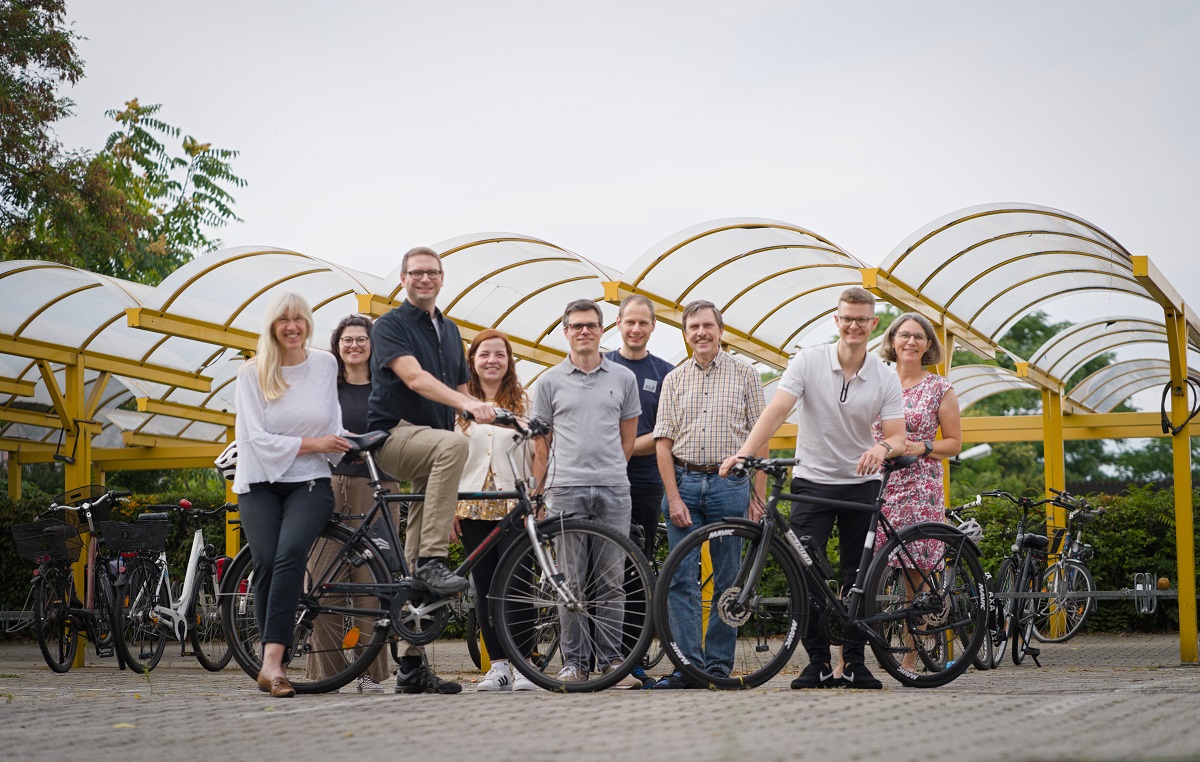
In 2023, twelve leading companies from the Rhine-Neckar metropolitan region – including Pepperl+Fuchs – joined forces to form the Circular Economy Business Roundtable Rhine-Neckar. The aim of this initiative is to promote sustainability across companies and accelerate the transformation toward a resource-efficient circular economy through local networking and joint action. “At Pepperl+Fuchs, we view sustainability and circular economy as essential foundations for future-oriented innovation and long-term growth. Our goal is to use resources efficiently and keep them in circulation for as long as possible,” explains Günter, Director Global Sustainability. Together with Sustainability Manager Julia, he represents Pepperl+Fuchs at the “round table”.
Exchange, network, collaborate
Once every quarter, the companies within the network come together to exchange their experiences and ideas on the topic of circular economy. “At our meetings, for example, we present our lighthouse projects in this field to one another,” reports Julia. “This allows everyone to learn from the experiences of other companies or be inspired by the projects.” In addition, the companies work together during the events to develop concrete approaches and solutions for promoting the circular economy and to explore opportunities for collaboration.
“The circular economy is a topic that can only be conceived and implemented across companies on a global scale. Practical projects can be a first step towards creating awareness and a deeper understanding of this topic,” says Julia. As part of the 2025 end-of-year event, which took place in December last year under the motto “Circular economy stars locally – thinking, acting and networking together,” the initiative published a white paper (info: the white paper can be viewed on LinkedIn here). In it, the companies – including Pepperl+Fuchs – present their respective approaches to the circular economy and provide insights into their specific projects and measures.
New impulses
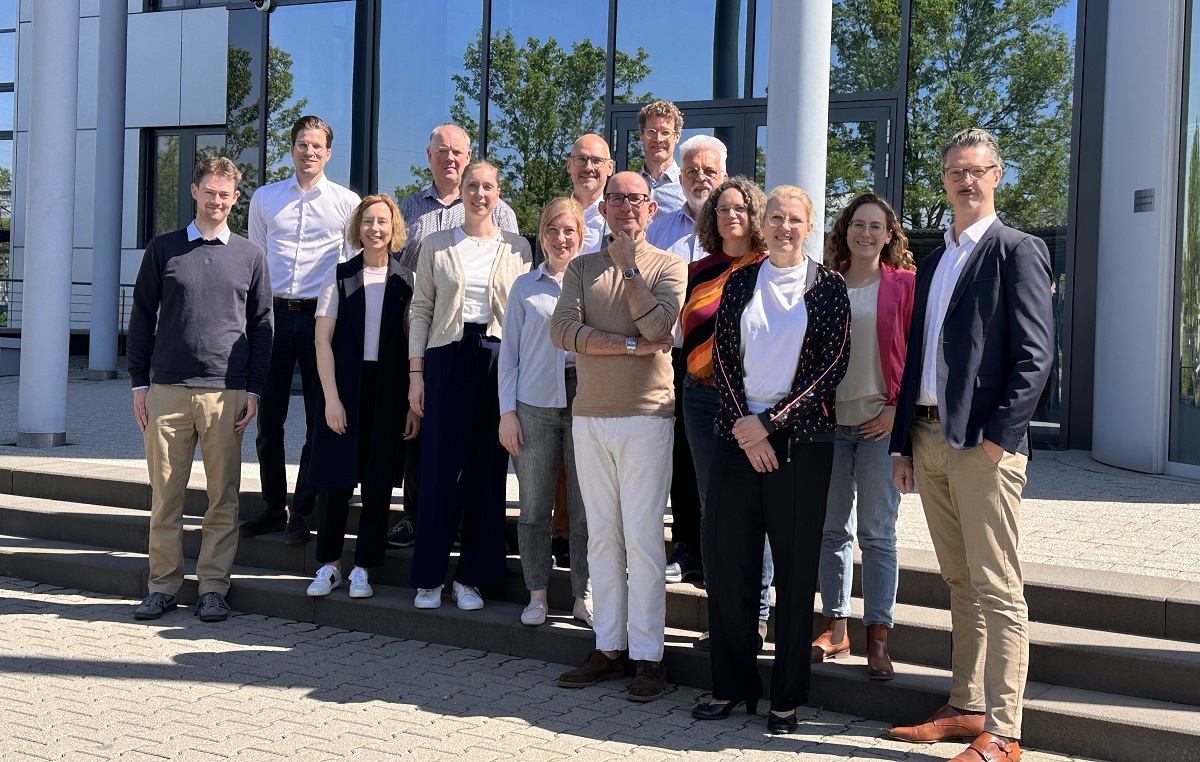
Last December, the network was opened to additional regional companies. The most recent meeting of the Circular Business Roundtable took place in mid-April at Pepperl+Fuchs in Mannheim and, for the first time, also welcomed new participating companies. The focus of exchange was on the development and implementation of circular business models. This get-together once again demonstrated that circularity cannot be achieved alone.
Further information about sustainability at Pepperl+Fuchs can be found here.